
Understanding the Importance of Color in Detectable Warning Panels
 admin on
 Have you ever noticed how different colors can change everything? When it comes to safety, colors are vital. That’s why we ask, why use different colors to distinguish detectable warning panels? These colors play a crucial role in helping people understand their surroundings.
The Role of Colors in Safety
Colors are not just pretty; they have meaning. In safety settings, colors help us react quickly. For example, a bright yellow panel usually signals caution. Red often means danger or stop. By using different colors, we make sure everyone knows what to do.
Why Different Colors Matter
Using various colors can save lives. Imagine walking in a busy area. If you see a red panel, you know to be careful. If it’s green, you might feel safe to proceed. This quick recognition is essential, especially for those with visual impairments.
- Improved Visibility: Bright colors catch the eye, helping to alert people.
- Easy Recognition: Different colors create a clear distinction between warnings.
- Support for the Visually Impaired: Colors can help those who may not see shapes clearly.
When I was crossing a busy street last week, I spotted a bright orange panel. It warned me about a construction zone. The color grabbed my attention immediately. I moved carefully, grateful for that simple but effective warning. That’s the power of color in action.
Choosing the Right Colors
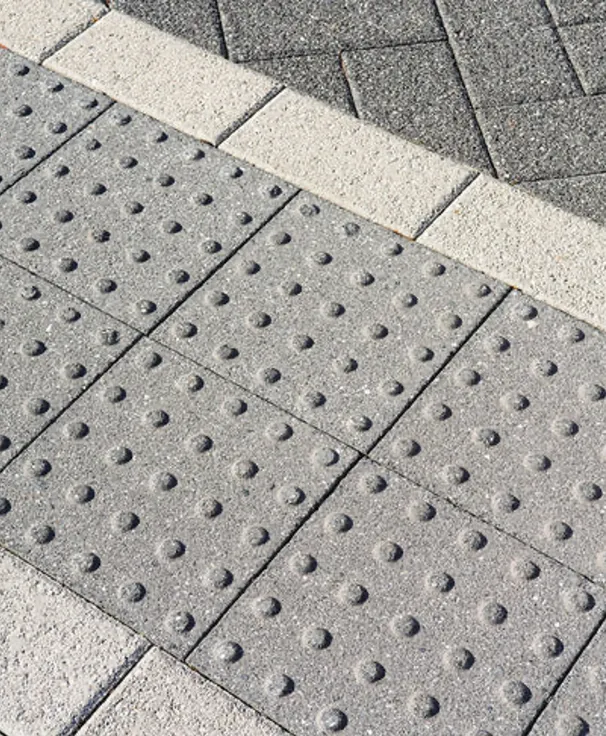
Not all colors are created equal. Some work better in certain environments than others. Here’s a quick look at some commonly used colors:
- Red: Danger or stop.
- Yellow: Caution or warning.
- Green: Safe to proceed.
- Blue: Information or mandatory actions.
Each color has its unique place. It’s essential to pick the right one for the right message. For example, using blue in a medical context can indicate helpful information. In contrast, red should be reserved for emergencies.
Where to Find Quality Panels
If you’re looking for high-quality panels, you might want to check out tactiles for sale. They offer a range of options to suit your needs. Having the right panels can make a big difference in safety.
Final Thoughts
In the end, using different colors to distinguish detectable warning panels is more than just a design choice. It’s about safety and clarity. The right colors can guide us, protect us, and help us navigate our world better. So next time you see a colorful panel, remember: it’s there for a reason!
